10 Best Quick-Drying Socks for Travel: Fast-Drying Options
Discover the 10 best quick-drying socks for travel! From merino wool to synthetic blends, find socks that dry fast and keep your feet comfortable in any weather.
This article may contain affiliate links. We earn a small commission when you purchase via those links — at no extra cost to you. It's only us (Becca & Dan) working on this website, so we value your support! Read our privacy policy and learn more about us.
Best Quick-drying Socks for Travel
MinimizeI remember a time when I was hiking during a trip, and got caught in some serious rain. I had only brought one pair of hiking socks in my bags, and I needed my socks to dry FAST overnight, so that I could wear them again the next day. Fast-drying socks have been an asset for me, in avoiding having to put on soggy gross socks the following day.
Here’s a guide to the best quick-drying socks to keep your feet comfortable when things don’t go as planned during travel.
Let’s jump right in!
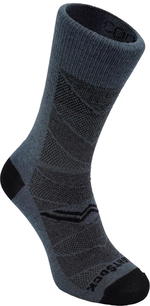
Wrightsock Coolmesh II Crew Socks
These quick-drying crew socks feature Coolmesh technology for moisture management and breathability, making them perfect for unexpected wet conditions during travel. They also look cool, and they even have anti-blister components.
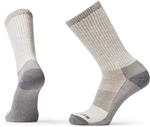
REI Co-op Merino Wool Lightweight Hiking Crew Socks
I trust REI Co-op, and their in-house brand lightweight hiking socks are ideal for travel adventures where you need reliable moisture management. They’re made with merino wool for natural quick-drying properties and resisting bad odors from feet.
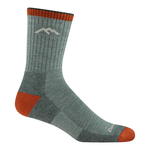
Darn Tough Men's Hiker Micro Crew Midweight Hiking Socks
Darn Tough socks are no joke (did you know they have a lifetime guarantee?). Their durable merino wool socks have excellent quick-drying capabilities and wick moisture. They’re both superior quality and built to last.
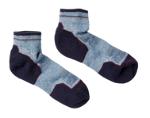
REI Co-op COOLMAX EcoMade Lightweight Flash Quarter Socks
REI’s COOLMAX socks have seamless toe construction, targeted cushion and blister prevention. They’re sporty, with their quarter height, and they’re quick-drying due to the polyester-nylon blend that’s really stretchy.
If you’re looking for a head start of travel socks to start with, the list above should guide you in the right direction. The picks above are all from good brands to start your journey with. For example, Wrightsock has a 100% guarantee. I’ve always had good luck with REI’s house brand. They also have a great return policy if you’re ever unhappy with your purchase. The only thing Darn Tough makes are socks, so they’re one of the top brands that I trust.
Best quick-drying athletic and running socks
It would make sense that athletic and running socks are built with quick-drying qualities. After all, feet can really sweat during intense activity. Whether you’re someone who goes for a daily run on vacation, or even if you plan to do a marathon in a faraway place.
Feetures High Performance Ultra Light Socks
We like how lightweight and thin these socks are (the fabric is breathable!). Because they’re not as thick as other socks like them, they keep our feet dry and cool on even the hottest days during vacations.
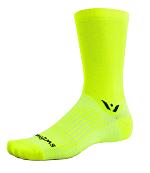
Swiftwick Aspire Seven Classic Crew Socks
My top running socks are actually cycling socks from Swiftwick. They’re breathable with firm support, and with their thin profile, they fold up very small in my luggage and dry quickly. Just keep in mind that they pill after multiple washes.
Balega No-Show Running Socks
These minimal athletic socks are comfortable, versatile and built to last. The ventilation on them helps keep feet cool, and the yarn they’re built with is Balega’s special material mix that keeps feet dry during wear.
Best quick-drying merino wool socks
Merino wool is excellent for quick-drying because when your feet sweat, the moisture is absorbed and held within the fibers, not next to your skin. As it has been explained to me, merino wool has natural antibacterial properties and temperature regulation (I wear merino wool sweaters, shirts and pants in addition to merino wool socks when I travel).
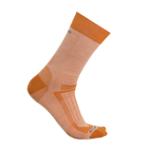
Icebreaker Men's Merino Hike Liner Crew Socks
We like Icebreaker socks a lot because they feel well-made and they’re always pretty snug. These merino wool socks are quick-drying and breathable, made with a ‘breathe zone’ for ventilation and a reinforced heel.
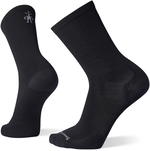
Smartwool Everyday Anchor Line Crew Socks
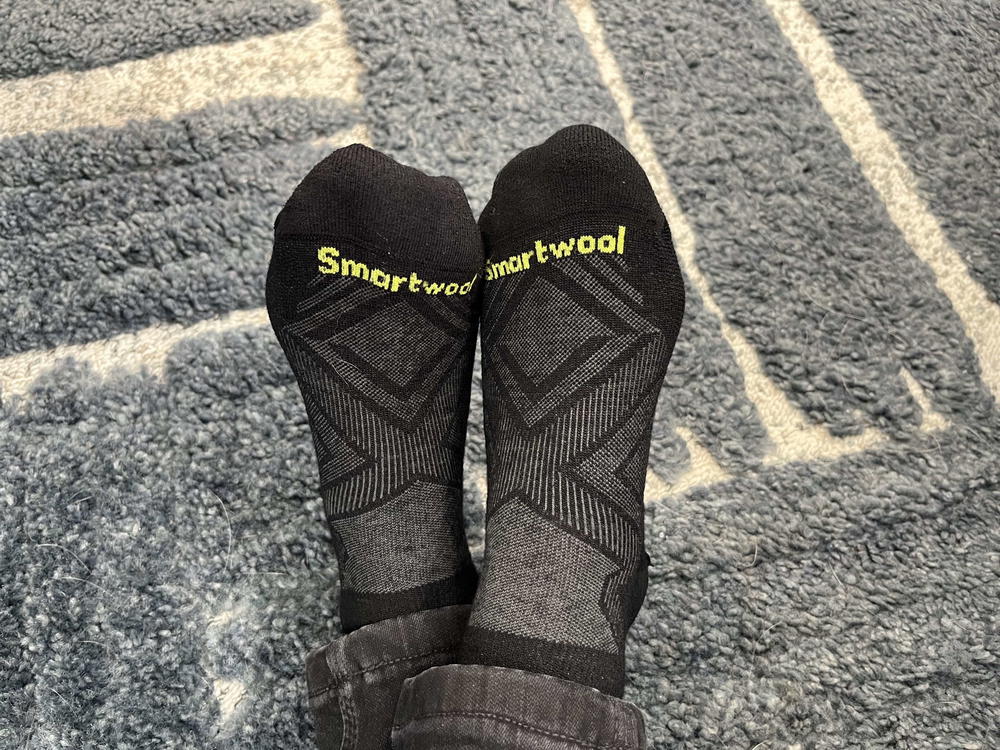
Smartwool is a solid brand we’ve come to take along when we travel. Because they are quick drying, there is actually no cushion!
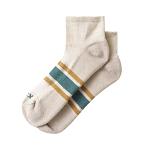
Ibex Unisex Light Cushion Performance 1/4 Socks
We both wear Ibex merino wool apparel, so trying their socks made sense. The Ibex lightweight all-season socks have quick-drying merino wool and a nice reinforced heel, so they’re a quality sock all-around.
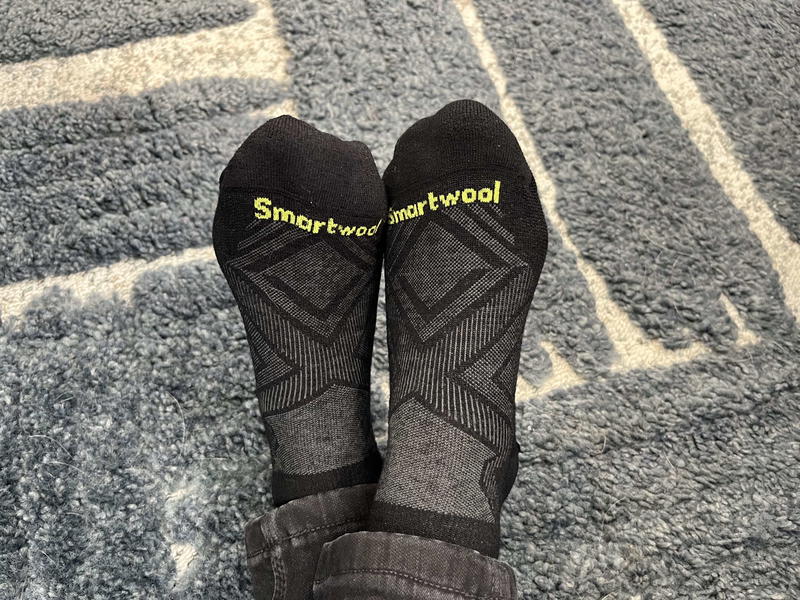
Why quick-drying socks matter for travel
For packing socks, it’s important to know about the climate that you’re traveling in. For wet climates, you will want to balance warmth with quick-drying abilities. This is so you don’t have to wear wet socks the next day.
Some thick socks might take forever to dry, but will keep your feet warm. You may want to consider waterproof shoes (check out our Vessi waterproof shoe review) to help keep your socks dry.
Quick-drying socks are essential for:
- Backpacker travel when you might be without a washing machine for weeks.
- Sink washing during long trips like camping, where washers aren’t available.
- Travel outside the US where dryers are hard to come by!
- Unexpected weather when rain soaks through your shoes.
- One-bag travel when you need to pack light and wash socks frequently.
For me, wet socks are a no-go. When your feet are wet, and you are hiking, it’s basically asking for blisters to form. Luckily, this hasn’t happened to me too often. If I know that I am going to hike in a wet climate, I might actually pack a pair or two of backup quick drying socks.
If my socks get wet, I’ll swap them for another pair. If I’m lucky, the wet socks will dry as the day goes on. It depends on the weather and the humidity. If I know that I’ll be doing a switcheroo, I’ll pack a quick-drying towel as well so dry off my feet and it’s a good way to try and get more moisture off the wet socks, too.
Best materials for quick-drying socks
It would seem that socks are a simple product, but after trying so many, it’s clear that the material matters! This is both so that they don’t wear out (so you don’t have to buy new ones all the time) and so that they do what they are supposed to do: dry quickly, decrease bad smells and support your feet well to avoid foot aches.
Merino wool
Merino wool is an excellent material for quick-drying travel socks because:
- Moisture management: When your feet sweat, the moisture is absorbed and held within the fibers, not next to your skin.
- Temperature regulation: Merino wool does two things, incredibly, for feet: it absorbs water before your feet gets too hot and it also doesn’t let your feet get too cold because it avoids a damp environment.
- Natural antibacterial: With antibacterial properties, merino wool keeps bad smells to a minimum because it prevents bacteria growth (unlike other materials for socks).
- Dries relatively quickly in comparison to cotton. Of course, this depends on how thick the socks are.
Synthetic materials
Synthetic materials like polyester, nylon and rayon have benefits like:
- Durability: Tough and long-lasting, as long as you treat them well (and avoid dryers)
- Wick moisture: Similar to merino wool, they are known to keep moisture away from skin.
- Very quick drying: They might even dry faster than merino wool.
- Cooling: Often feel cooler in hot conditions because they’re lightweight and don’t let moisture hang out.
The trade-off is that 100% synthetic socks can trap moisture in your shoes, potentially causing blisters. The also can get smelly, quickly. Low-quality synthetic socks for running or hiking (or walking down hills) aren’t the best, and more natural materials like merino wool socks may perform better.
Cotton (avoid for quick-drying!)
Despite its breathability, cotton is an inferior fabric for socks that need to dry quickly. It’s funny, because all our lives, cotton socks seem like a default, right? Cotton socks are comfy, and can be nice and thick. Nevertheless, here are some things to keep in mind if you’re investing in cotton socks for travel:
- Cotton is super absorbent (think about a cotton t-shirt, if you were to go out for a run on a hot and humid day). Keep that in mind if you’ll be walking a lot or if you know you might see some rain or wet weather during your trip.
- Cotton socks keep moisture trapped against your skin when they get wet (think of that sweaty cotton shirt again as an example).
- Wet socks are the perfect breeding ground for bacteria and fungus (yuck). You’ll easily get that mildew smell and it’ll be trapped with the rest of your travel laundry if your cotton socks don’t fully dry out first.
- Cotton takes a long time to dry because of how absorbent it is, naturally. So, a cotton sock will probably be a slow-to-dry sock.
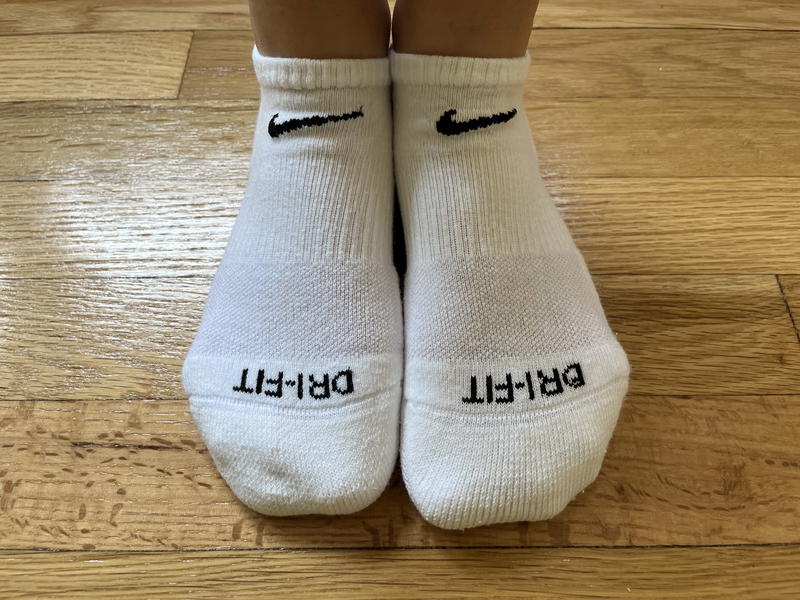
How sock weight affects drying time
I bet you never thought about how the “weight” of your socks might affect how they dry, in terms of drying time. It only takes one wet and humid travel experience to provide all the context for this! Here are some examples of how light versus heavy socks might dry after getting wet or damp.
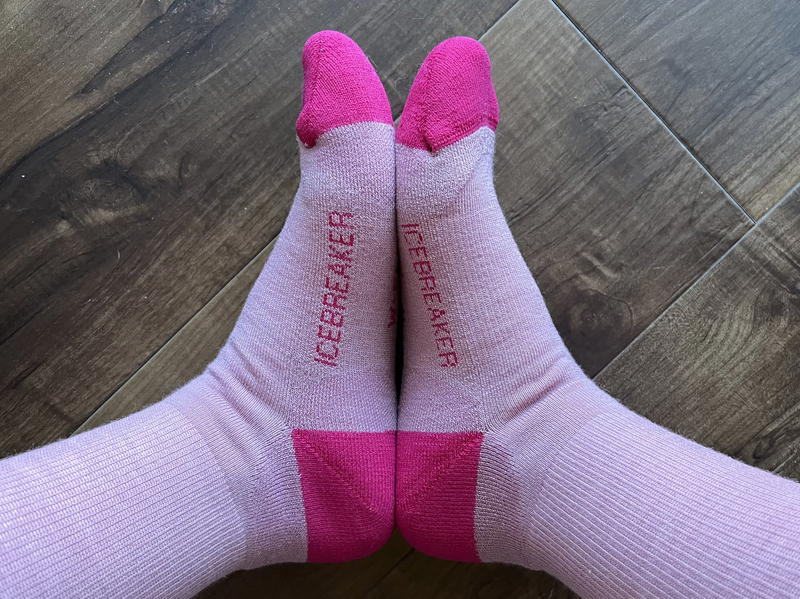
Lightweight socks
- Fastest to dry: Lightweight socks have less material to dry, so obviousl, they will dry faster.
- Most breathable: Allow moisture to evaporate quickly. This includes socks with good ventilation qualities.
- Less cushioning: Cushion features are a trade-off for faster drying. Cushioned socks won’t really dry fast, because the cushion is made of layers of material. Socks with cushion are so much more supportive than scrawny thin socks (all it takes is comparing two extremes, and you’ll see what I mean), so you have to figure out your priorities.
Midweight socks
- Moderate drying time: Balance between cushion and drying speed. We typically try and get midweight socks.
- More versatile: Good for various conditions, whether dry or a little wet.
- Better cushioning: More padding for comfort; midweight socks might contain a heel cushion or toe reinforcement, which helps promote longevity in sock life!
Heavyweight socks
- Slowest to dry: More material takes longer to dry. If you are skiing/snowboarding and you bring heavyweight socks that get wet, expect them not to dry fast at all. We’ve set them next to a fireplace or a heater, and that will usually speed up the process, though.
- Maximum cushioning: Best for rough terrain and use in hiking boots or winter sports.
- Warmer: Better for cold conditions; heavyweight socks will usually have multiple layers and might even be fleece-lined for utmost thickness.
Best practices for quick-drying socks
There are some ways to get socks to dry quickly. Keep these tips in mind.
Washing while traveling
When traveling, you may need to wash your socks in a sink. Here’s our quick process for sink washing:
- Wring out excess water after washing (or before!). Wring them in several different directions, in a sink.
- Roll them in a towel to absorb more moisture. We like traveling with quick-drying microfiber towels and that usually works well.
- Hang in a well-ventilated area. Bathroom fans work okay, and if your accommodation has a fan, turn that on.
- Turn inside out to expose more surface area to air. You can do this every few hours to maximize the drying time.
Caring for Quick-Drying Socks
- Don’t use fabric softener. It can coat wool fibers and impedes its performance. (We also don’t use fabric softener, and never have)
- Skip the bleach. It damages fibers if you use too much or use it too frequently.
- Air-dry when possible. Heat from dryers can break down fabric, so we typically hang-dry most of our clothes and we 100% will always hang-dry socks. Except for our heavy-duty winter socks, our socks typically dry within 24 hours.
- Turn inside out after wearing to let them air out. They can also help remove the smell if they’re very smelly.
- Use low heat if you must machine dry. “Tumble dry on low” is OK, especially to finish up the drying.
When do you need quick-drying socks?
Before travel, we never considered a good need for quick-to-dry socks. Aren’t all socks the same (you probably realized now that, no, they are NOT!)? So, when do you need socks that dry fast and don’t hold onto moisture?
Backpacker travel
We have both backpacked all around South America, Europe, Asia and Africa. During backpacking, we have been without a washing machine for a few weeks. It can be longer, if you’re trekking or staying in hostels! So, expect some sink washing, and hang-drying.
You’ll want your socks to be quick-drying so that you don’t need to carry around wet socks in your pack (ew).
One-bag travel
For minimalist travel, or carry-on-only travel, you likely only want a few pairs of socks to help save space. I never quite realized that I was packing socks that took up an entire packing cube! There’s a way to do better.
Quick-drying socks mean you can wash and wear the same pair more frequently without carrying wet laundry.
Wet weather travel
For travelers heading to rainy destinations (our Wild Atlantic Way trip in Ireland had rain every single day!), quick-drying socks are essential. You’ll likely get your socks wet from stepping in puddles or getting caught in rain while walking or hiking.
Quick-drying socks mean you won’t have to wear wet socks all day. Wearing wet socks all day can be 1) uncomfortable and 2) a way to get foot fungus.
What to read next
Now that you’ve found the perfect quick-drying socks for travel (we hope you have!), here’s what to read next:
- Best Travel Socks for Every Adventure - Complete guide to choosing the right socks
- Best Hiking Socks for Travel - Perfect for your trail adventures
- Best Travel Compression Socks - For long flights
- Best Travel Accessories for Backpackers - Complete your adventure kit
Pro tips from us
Just a few more tips if you want to figure out how to wash your socks, get them to dry fast and pack appropriately for a trip:
- Bring a sink stopper for washing socks in hotel sinks.
- Pack a quick-dry towel to speed up the drying process. You never know when you might need one. They pack up super small, too.
- Consider merino wool: you can wear the same pair of merino wool socks for 2-3 days without washing. We do this at home, too.
- Hang socks to air out overnight, and they’ll be fresher in the morning.
- Pack lightweight socks if you’re doing laundry frequently during your trip. They dry faster.
🎒 Found the right gear?
We research and test the gear we recommend, so you can pack with confidence. If our suggestions improved your gear picks, treating us to a coffee keeps the reviews coming.
Help us test more gearYou may also like
-
![A flatlay image of a bunch of packing cubes.]()
16 Best Packing Cubes for Travel in 2026 (Pack Smarter)
Packing cubes help keep your clothes organized and compressed. They're essential for traveling, but with so many options, how do you find the best packing cube? Let's find out!
-
![two pairs of socks on a wooden floor]()
PAKA Quarter Performance Socks Review: Alpaca Fabric Cozy Feel
We slipped on PAKA’s alpaca performance socks for cold flights, hikes and at-home lounging. Here’s how they compare to our usual merino pairs of socks that we pack when we travel.
-
![]()
Baby Tula Explore Carrier Review: Sturdy, Comfy and Supportive
I tested one of Baby Tula's most popular baby carriers, the Explore Carrier, because I wanted a front-facing carry option for my baby. Read my review, and find a discount code inside.
-
![]()
Lululemon Everywhere Belt Bag Review: Affordable and Chic for Travel
Recommended as our top belt bag for travel, see my thoughts on the lululemon Everywhere Belt Bag and why it's an essential fanny pack for keeping things together on a trip.
-
![A close up of the buckle on the baby tula lite carrier.]()
Baby Tula Lite Baby Carrier Review: Lightweight and Compact for Travel
I review the Baby Tula Carrier Lite as a travel product for babywearing during trips. Find out the special features that make this lightweight baby carrier ideal for on the go.
-
![Blue Cabeau travel pullow close up]()
Cabeau Evolution Neck Pillow Review: My Go-to Long-haul Travel Pillow
I've been packing the Cabeau Evolution travel neck pillow for flights and long transit days since 2017. Here's why it's my top neck pillow for flights, and what you should know if you're comparing other pillows.