Heads up. This is a beta page!
Iceland Packing List for Road Tripping and Families
Updated on September 20th, 2026
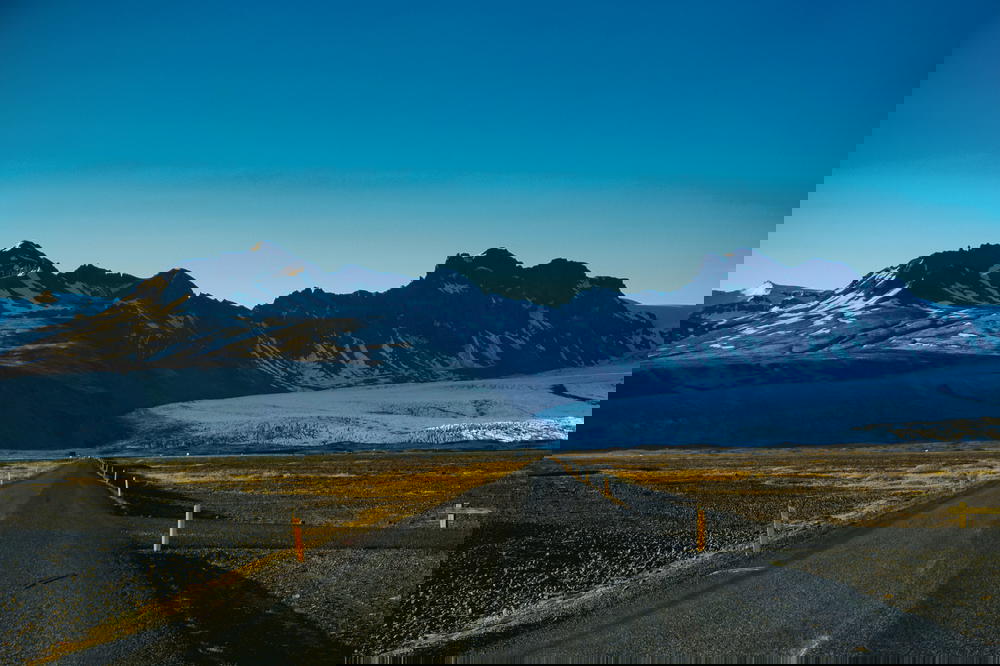
Planning a trip to Iceland? Here's our complete packing list with all the essential items you'll need for all types of adventures, from road trips to glacier hikes to northern lights viewing.
This article may contain affiliate links. We earn a small commission when you purchase via those links — at no extra cost to you. It's only us (Becca & Dan) working on this website, so we value your support! Read our privacy policy and learn more about us.
I packed very light for my trip to Iceland, and guess what, everything worked out fine. If you want to pack like a pro and visit Iceland for your first time, I’ve put together this guide that can get you through all the questions you’ll have about what you need to take a trip to Iceland.
While lots of people think Iceland is cold all year round, it’s simply not true. Summer can be moderate with temperatures in the high 50s, although nights will be in the 40s. Winter is, naturally, pretty cold, but might mirror the temperatures you’re used to if you come from various northern parts of the US or Canada.
In the checklist that follows, use the packing ideas I had for my trip to Iceland (I had a blast). Use the trip packing selector right here, below, to choose the length of your trip.
Build your packing list
Choose the weather for your trip and the activities you have planned to see what to pack. If you’ll visit places with different weather, choose “All weather” and pick the items you need for each stop.
How clothing quantities work
Counts include the clothes you’ll wear while traveling. For a two-week trip, the list assumes you’ll do laundry halfway through. Pack more if you won’t have access to laundry, and choose outfits you can mix and wear more than once.
Ticks and trip choices stay in this browser on this device. Untick items to reuse the list.
Everyday essentials
Packing essentials
All these super important items form the basis of what you’ll need in Iceland, from local currency and your travel docs, to convenient must-have products like First Aid.
Packing organization
With the items below in this section, stay organized while you pack so that you can dig out your balled-up jacket as soon as the cold sets in during your days in Iceland. Using packing cubes and making sure your luggage isn’t oversized helps manage the size of everything you’re taking, and packing day bags into larger luggage is one of my best minimal hacks.
Toiletries and health
You can buy most things in Reykjavik, but having these products already packed will save time and stress. Iceland is expensive, so bringing items from home can save money. I think this is where a lot of travelers make the same decision to take as many emergency items as you can, from home, because the large majority of specialty products in Iceland are imported (and priced as such).
Electronics and tech
Stay connected so that you’re in communication with your Airbnb host, or your family at home. And, make sure your tech is charged up while exploring Iceland’s Ring Road, using navigation systems to drive or capturing photos of the stunning landscapes that will be out your window all day long.
Sightseeing essentials
I think Iceland is one of the most sightseeing-heavy places I have ever been. The sights are plentiful and it’s easy to pack your days with lots of natural landscapes to see, as well as vistas of small towns, villages and incredible natural phenomena. As you’re exploring Iceland’s Ring Road, waterfalls, geysers and attractions, make sure your day bag has handy essentials so that you don’t have to head back to your accommodation to pick something up.
-
Pack your travel ID and save your bookings offline. If you’re driving, bring the licence and other documents your rental company requires. Check entry and rental requirements before leaving.
Packing notes for ID, travel documents and reservations
Passport
You obviously won’t get far without your passport, so make sure it’s valid for at least six months beyond your stay to avoid any issues at the Keflavik airport.
Travel insurance
Between the potential for Atlantic storm delays and those unexpected medical needs that can pop up during a glacier hike, having travel insurance gives you that extra layer of security while you’re exploring the island.
-
Carry a little cash for places that don’t take cards. Keep a backup card somewhere separate from your main wallet.
Packing notes for Payment cards and a little local cash
While most places in Iceland are completely cashless and take cards for everything, you’ll still want a few Icelandic Króna just in case you find a small local shop or market that needs them.
-
Save your driving route, accommodation addresses and bookings offline before leaving Reykjavík. Download maps for each day’s stops and keep a charging cable reachable in the car.
Packing notes for Phone, charging cable and wall charger
Your phone and charger
I honestly can’t travel without my phone for maps and photos, so having a charger ready is key. Just remember that Iceland uses Type C and F plugs, so you’ll definitely need an adapter if you’re coming from the US!
Unlocked smartphone
Your smartphone is easily your most important travel tool for navigating the Ring Road and finding local campsites. Make sure it’s unlocked so you can easily use a local data plan if needed.
Local SIM card or international plan
Having a local SIM or an international data plan is so helpful for checking maps and looking up road conditions on the go. You can easily pick one up at the airport as soon as you land.
-
Pack your usual medicines in their original packaging and a few first-aid supplies, including blister plasters for long walks. Check the destination’s rules if you’re taking restricted medicines.
Packing notes for Regular medicines and a small first-aid pouch
First-aid kit
I like to keep a tiny kit with bandages and pain relievers in my daypack just in case. It’s much better to have it right there than to be hunting for a pharmacy when you’re out on a remote trail.
Personal medication and prescriptions
Make sure you have an ample supply of any personal medications you need for the entire trip. While pharmacies in Reykjavik are excellent, it’s much better to have your preferred brands right there when you need them.
Basic first aid kit
I like to keep a tiny kit with bandages and pain relievers in my daypack just in case. It’s much better to have it right there than to be hunting for a pharmacy when you have a minor scrape in the countryside.
-
Pack the toiletries you use every day, including dental care and any menstrual supplies. Small refillable containers save space. Check your airport’s liquid rules and whether your accommodation provides basics like shampoo.
Packing notes for Your daily toiletries
Travel-sized toiletries
Packing your favorite travel-sized essentials is a great way to save space and reduce plastic waste. Plus, you’ll have exactly what you need for your skin and hair after a long day in the wind and cold.
Wash pouch
A dedicated wash pouch keeps your bathroom essentials organized and ensures that a leaky bottle won’t ruin your gear. I love the ones that hang up for easy access in those compact camper van bathrooms.
Dopp kit
A dedicated dopp kit keeps your bathroom essentials organized and ensures that a leaky bottle won’t ruin your favorite travel clothes. It’s one of those small things that makes road trip travel a lot smoother.
Hand sanitizer
Hand sanitizer is such a handy thing to have in your daypack, especially for quick snacks during your road trip. It’s an easy way to stay fresh while you’re out and about in the more remote areas.
Moisturizer
The combination of the cold wind and dry air can be surprisingly tough on your skin. A good moisturizer is a smart addition to your dopp kit for staying comfortable throughout your Icelandic road trip.
Eye drops
The persistent wind and dry air can sometimes irritate your eyes during long days outdoors. A small bottle of eye drops is a simple thing to carry that can really help you stay comfortable while sightseeing.
Gear ideas for Your daily toiletries
-
Choose a suitcase or travel backpack that suits how you’ll get around. Check your carrier’s size and weight limits before packing.
Packing notes for One main travel bag
You’ll want a bag that can handle being dragged through busy airports and fits easily into the back of a rental car. We found that soft-sided duffel bags are much easier to manage in a camper van than rigid hard-shell suitcases.
Gear ideas for One main travel bag
-
A zipped crossbody bag works for a phone, wallet and a few small items. Choose a daypack if you’re carrying a camera or supplies for the family.
Packing notes for One small day bag
Personal item
I find a sling bag to be one of the most versatile things I pack because it works for city walks in Reykjavik and keeps my most important things right across my chest where they’re easy to reach.
Sling bag or fanny pack
A sling bag or fanny pack is the perfect way to keep your most important things right at your fingertips while you’re out exploring. It keeps your valuables secure and your hands free for taking photos.
Gear ideas for One small day bag
-
Pack a refillable bottle for days out. Fill it with safe drinking water.
Packing notes for Refillable water bottle
Reusable water bottle
Icelandic tap water is some of the cleanest and best-tasting in the world, so don’t even think about buying plastic bottles. Bring a reusable one and fill it up from any tap for free throughout your trip.
Water bottle
Staying hydrated is key when you’re walking miles between natural sites and waterfalls. Bringing your own bottle is a great way to save money while you’re exploring the island’s pristine water.
Water bottle
Staying hydrated is key when you’re walking miles between natural sites and waterfalls. Bringing your own bottle is a great way to save money and reduce plastic waste while you’re exploring.
-
Check whether your charger plugs fit the sockets at your accommodation. A plug adapter doesn’t convert voltage, so check your device’s input rating too.
Packing notes for Compatible plug adapter, if needed
Check the sockets at your accommodation against your charger plugs before packing an adapter. A universal adapter may not cover every socket, and it does not convert voltage. Check the device’s input rating too.
Gear ideas for Compatible plug adapter, if needed
-
Handy for long days using maps or taking photos, especially in cold weather. Pack the right cable and check your airline’s battery rules.
Packing notes for Power bank
The cold Icelandic weather will drain your phone battery faster than you think, especially when you’re taking hundreds of photos of waterfalls. Keep a power bank handy so you’re never caught with a dead phone mid-road trip.
Gear ideas for Power bank
-
Keep sunscreen, sunglasses and a sun hat in your day bag for sunny walks, beach days and mountain outings.
Packing notes for Sun hat, sunglasses and sunscreen
Sunglasses
for bright days and glacier reflection
Sunscreen
Don’t underestimate the sun while you’re out on the glaciers or exploring the coast. A bit of sunscreen will save you from a nasty burn during those long days of sightseeing in the clear Atlantic air.
Lip balm with SPF
Protecting your lips from the biting wind is just as important as protecting your skin. A good lip balm with SPF will keep your lips from getting chapped while you’re out enjoying the views.
Sunglasses
The sun can be surprisingly strong as it reflects off the glaciers and the ocean waves. A good pair of sunglasses will protect your eyes and keep you comfortable while you’re out exploring.
Clothing and shoes
Clothing for cold weather
Layering is key in Iceland, although you’ll be going from moderate temperatures to cooler, and then colder ones. The main variables are rain and wind, because cooler or cold temperatures are the constant. For managing the cold, make sure to have thermals, layers, hoods and fleece materials.
Footwear
Iceland’s rocky and hilly terrain requires sturdy, waterproof footwear. You’ll be walking on uneven surfaces, near waterfalls and potentially on ice or snow, depending on the season. Here are a few waterproof and versatile shoe products I take along for a trip to Iceland, as well as the ideal socks to go with them.
-
Pack tops you can mix with your trousers, shorts or skirts and wear more than once. The count includes the top you’ll wear while traveling. Add a few more if you won’t be able to wash and dry them.
Packing notes for Everyday tops
Short-sleeve shirts
Even in a cold climate, a few breathable short-sleeve shirts are great for layering under sweaters and jackets. They’re perfect for those moments when you step into a cozy heated cabin or cafe.
Long-sleeve shirts
Long-sleeve shirts are ideal for providing that extra layer of mid-layer warmth between your base layer and your outer shell. Look for fabrics that offer a bit of insulation without being too heavy.
Gear ideas for Everyday tops
-
Choose trousers, shorts, skirts or dresses to suit the weather and your plans. You don’t need one of each.
Packing notes for Everyday bottoms
Lightweight pants or joggers
I find lightweight joggers to be some of the most versatile things I pack because they’re perfect for relaxing in your cabin after a long day of hiking. They’re also great for those long travel days in the rental car.
Long pants
Comfortable long pants are a staple for exploring the island’s parks and historic sites. You’ll want a pair that offers a bit of stretch and wind protection for all those outdoor activities.
Gear ideas for Everyday bottoms
-
The count includes the pair you’ll wear while traveling. For a two-week trip, it assumes you’ll do laundry halfway through. Pack more if you won’t.
Packing notes for Underwear
You’ll probably be showering and changing more than usual after those active days. Bring plenty of extras so you always have a fresh pair throughout your road trip.
-
Count the pair you’ll wear while traveling, too. Pack fewer if you’ll spend most days in sandals.
Packing notes for Everyday socks
I’ve learned the hard way that good socks are just as important as the boots themselves in Iceland. Quality moisture-wicking pairs will keep your feet dry and warm even during long walks in the damp terrain.
Gear ideas for Everyday socks
-
Pack what you normally sleep in and the bras you wear day to day. Add a sports bra if you’ll need one for your activities.
Packing notes for Sleepwear and the bras you normally wear
Pajamas
Pack whatever you’re most comfortable sleeping in, but remember that Icelandic nights can be quite cold, so a pair of warm and cozy pajamas is always a good bet for a better night’s rest.
Bra
Choosing a comfortable and supportive sports bra is key for those long days of hiking and exploring. You’ll want something that doesn’t pinch or chafe while you’re hitting all the major sites.
-
Choose grippy, water-resistant walking shoes for road-trip stops and waterfall paths. One pair can cover Reykjavík and easier countryside walks. Add trail footwear only if your route or tour needs more.
Packing notes for One main pair of comfortable walking shoes
Choose grippy, water-resistant walking shoes for road-trip stops and waterfall paths. One pair can cover Reykjavík and easier countryside walks. Add trail footwear only if your route or tour needs more.
Weather and destination needs
-
Pack a waterproof jacket with a hood for rain and waterfall spray. Keep it handy for stops along your drive.
Packing notes for Waterproof rain shell
Waterproof and windproof jacket
A good waterproof and windproof jacket is absolutely essential because the Icelandic weather can change in a heartbeat. It’ll keep you dry during sudden showers and block those biting ocean breezes.
Rain jacket
The weather in Iceland can be quite fickle, so a good rain jacket is a smart addition to your hiking kit. It’ll keep you dry during sudden showers and block those cool breezes at higher elevations.
Gear ideas for Waterproof rain shell
-
Pack waterproof trousers for waterfall spray and long walks in the rain. Jeans take a long time to dry once they’re soaked.
Packing notes for Waterproof overtrousers
Rain pants
Don’t underestimate how wet you’ll get near the bigger waterfalls like Seljalandsfoss. A pair of lightweight rain pants will keep your legs dry and save you from being miserable for the rest of the day.
Rain pants
Don’t even think about getting close to the bigger waterfalls without rain pants. They’ll keep your legs dry and save you from having to change your entire outfit mid-day.
-
Pack a fleece or wool sweater that fits under your jacket. You can also wear it while traveling and on cool evenings.
Packing notes for One warm middle layer
A warm sweater or fleece is a crucial layer for those cool evening walks along the coast. It’s the perfect thing to throw on when the sun goes down and that Atlantic air turns even chillier.
Gear ideas for One warm middle layer
-
Pack a warm hat and gloves for exposed stops, even in summer.
Packing notes for Warm hat, gloves and neck covering
Warm hat or beanie
When that biting wind starts blowing off the Atlantic, you’ll be so glad you have a warm hat. It’s an essential for both staying cozy and adding a bit of local style to your outdoor look.
Gloves
A good pair of gloves is a must for protecting your hands from the cold while you’re out on the trails or viewing the Northern Lights. Look for a pair that still allows you to use your phone’s touchscreen!
Scarf or neck gaiter
The coastal breeze in Iceland can be quite persistent, even on sunny days. A warm scarf or neck gaiter is an easy way to stay toasty and protect your neck from the wind while you’re out sightseeing.
Hat or beanie
A good warm hat is one of the most important things for protecting yourself from the wind while you’re out on the trails. We found that a beanie that covers your ears offered the best protection for those long days of hiking.
Hat or beanie
A warm hat is a versatile accessory that works for both sun protection and extra warmth during those chilly morning walks. Plus, it always looks great in those iconic Icelandic landscape photos!
Warm hat or beanie
A good warm hat is one of the most important things for protecting yourself from the cold while you’re stationary at night. We found that a thick wool beanie offered the best warmth during those long hours of waiting.
Gloves
A good pair of insulated gloves is a must for keeping your hands warm while you’re out viewing the lights. Look for a pair that still allows you some dexterity for adjusting your camera settings.
-
Choose a coat for the forecast and how long you’ll spend outside. A light insulated jacket may need extra layers and a waterproof shell. For severe cold, pack something warmer.
Packing notes for Insulated winter coat
Down jacket or insulated jacket
A down jacket is an absolute non-negotiable for staying warm during those frosty Icelandic evenings. It provides incredible insulation while still being lightweight enough to pack easily into your daypack.
Warm layers
If you’re heading up to higher elevations or visiting during the cooler months, an extra warm layer is essential. It’s the perfect thing to throw on when the temperature drops unexpectedly.
Warm layers
Layering is the absolute secret to staying warm while you’re waiting for the northern lights. I recommend a mix of thermal base layers, a cozy fleece and a heavy down jacket for the best protection.
Gear ideas for Insulated winter coat
-
A thermal top and leggings add warmth under your everyday clothes on cold days. You can wear them more than once.
Packing notes for Thermal base layers
Choosing a high-quality thermal base layer is the secret to staying warm in Iceland without feeling too bulky. I like the moisture-wicking types that keep you dry even when you’re active on the trails.
-
Handy for bright summer nights or rooms without blackout curtains.
Packing notes for Sleep mask
If you’re visiting during the summer months, the ‘midnight sun’ can make it surprisingly difficult to get to sleep. A comfortable eye mask is a must for tricking your brain into getting some rest when it’s still bright outside.
Gear ideas for Sleep mask
Activity additions
Hiking and outdoor gear
If you plan to explore Iceland’s trails, glaciers, waterfalls and rugged landscape, you’ll want gear that handles elevation changes, variable weather and varied terrain. I’ll emphasize that rain happens from time to time in Iceland, and near geysers or waterfalls, be prepared to be right up close to water during your hikes and outdoor exploring.
Northern Lights viewing
If you’re visiting Iceland in winter or early spring to see the northern lights, you’ll need additional gear for staying warm during nighttime viewing. Keep in mind that there is a difference between being outdoors in the cold and hiking (being active) versus being outdoors in the cold, at night, and being stationary, which is how you’ll be viewing the Northern Lights. What I mean to say is, you’ll be colder while you’re outside watching the natural light show, so bring out those super-warm socks and hats.
-
For longer hikes, check whether your main walking pair has the grip and support the route needs. Add hiking footwear only if it doesn’t. Follow your operator’s footwear list for guided activities.
Packing notes for Hiking shoes
For longer hikes, check whether your main walking pair has the grip and support the route needs. Add hiking footwear only if it doesn’t. Follow your operator’s footwear list for guided activities.
-
Count hiking socks toward your total rather than packing two sets. Keep a dry spare pair in your day bag for wet treks.
Packing notes for Trail socks and a dry spare
If you’re hitting the hiking trails, you’ll want some dedicated thick hiking socks. They provide extra cushioning and help manage moisture much better than your regular everyday pairs.
Gear ideas for Trail socks and a dry spare
-
One swimsuit works for occasional swims. Pack a second if you’ll swim every day and need time for the first to dry.
-
Check whether your hotel, pool or tour provides towels. Bring a small quick-dry one for beach outings or stays where towels aren’t supplied.
Packing notes for Small quick-dry towel, if not provided
A quick-dry towel is a lifesaver for managing mist from the waterfalls. It’s lightweight and takes up almost no space, making it an easy thing to throw in your daypack for any outing.
Gear ideas for Small quick-dry towel, if not provided
-
Download the route and carry enough drinking water, snacks, a warm layer, rain protection and a light. Put your first-aid pouch in your day bag. For remote or mountain routes, follow the park or operator’s full equipment list.
Packing notes for Trail map, snacks and an appropriate daypack
Daypack for hiking
A waterproof daypack is perfect for carrying your water, sunscreen and extra layers while you’re out exploring the trails. You’ll want something comfortable that will keep your gear dry even during those sudden Icelandic showers.
Gaiters
If you’re planning any heavy trekking or visiting during the winter, a pair of gaiters can be a smart addition. They’ll keep snow and mud from getting into the tops of your boots during your explorations.
Daypack for hiking
A lightweight daypack is perfect for carrying your water, sunscreen and an extra layer while you’re out on the trails. You’ll want something comfortable that won’t weigh you down as you’re climbing up to those views.
Compact snacks
I like to keep some energy bars or nuts in my daypack just in case. They’re perfect for those moments when you’re between towns and need a quick boost to keep you going until dinner.
Trekking poles
While not strictly necessary for everyone, a pair of trekking poles can be really helpful for maintaining your balance on the uneven Icelandic terrain. They’re especially great for saving your knees during those long descents.
Portable GPS or offline maps
While cell service is generally good, having offline maps or a dedicated GPS can be a lifesaver in the more remote areas of the island. It’s an easy way to stay on track even when you lose your signal.
Guidebook or offline maps
Sometimes it’s nice to put the phone away and look at a physical guidebook for local context. It’s a great way to learn more about the island’s history without staring at a screen all day.
Compact snacks
I like to keep some energy bars or nuts in my daypack just in case. They’re perfect for those moments when you’re between natural sites and need a quick boost to keep you going until your next stop.
-
A headlamp leaves both hands free for early starts and walks after dark. Charge it or pack fresh batteries before leaving.
Packing notes for Headlamp for pre-dawn starts or basic accommodation
Headlamp or flashlight
A headlamp is such a handy thing to have if you’re planning on viewing the northern lights or heading out for an early morning hike. It keeps your hands free and ensures you can see where you’re going in the dark.
Headlamp or flashlight
A headlamp with a red light mode is perfect for adjusting your camera settings without ruining your night vision. It’s an easy way to stay organized while you’re waiting for the lights to appear.
-
Check the rental car’s USB connection or bring a compatible car charger. Keep the map phone charged on longer driving days.
-
Keep your phone and a dry layer inside a waterproof liner or sealed bags. A backpack rain cover helps with showers but doesn’t protect everything from water entering around the straps.
Optional extras
-
A cloth bag keeps worn clothes separate. Packing cubes can help organize the rest, especially if your bag has few compartments.
Packing notes for Laundry separation and simple organization
Laundry bag
Separating your laundry from your clean clothes is a simple way to stay organized, especially when you’re dealing with damp gear from a rainy day near the waterfalls.
Packing cubes
I honestly can’t travel without these anymore because they make organizing layers and varied climate gear so easy. They’re perfect for keeping your base layers separate from your evening outfits in your bag.
Shoe pouches
A washable bag can keep dusty or muddy shoes away from clean clothes. You don’t need a separate shoe pouch if another bag does the job.
Gear ideas for Laundry separation and simple organization
-
Choose one everyday outfit that also works for dinner. Add a blazer or dress shoes only if the venue calls for them.
Gear ideas for One outfit that also works for dinner
-
Pack your laptop and charger if you’ll be working. A small pouch keeps cables together. If your phone covers everything you’ll need on vacation, leave the laptop at home.
Gear ideas for Laptop, charger and necessary work accessories
-
Your phone may be all you need for photos. If you’re bringing a camera, pack the lenses and spare batteries you’ll use, plus a strap and a protective bag.
Packing notes for Camera and accessories
Camera
Iceland is easily one of the most photogenic countries in the world, so if you have a dedicated camera, you’ll definitely want to bring it. You’ll be glad you have the extra quality for those iconic landscape shots.
Tripod
If you’re serious about capturing the northern lights, a sturdy tripod is an absolute essential. It’ll allow you to take those long-exposure shots that truly show the colors and movement of the lights.
Gear ideas for Camera and accessories
Family additions
-
Pack feeding supplies, diapers, wipes, medicines and a familiar sleep item to suit your child’s age. Check what you can buy locally and what your accommodation provides.
-
Choose a carrier or compact stroller that suits your child and your route. A carrier can be easier on stairs and rough paths. Check its fit and instructions before the trip.
Gear ideas for Carrier or compact stroller that fits your route
-
Ask your accommodation whether they have a suitable crib. If you need to bring one, check that it fits in your transport and follow its setup instructions.
Gear ideas for Safe sleep arrangement, confirmed in advance
What to leave at home
A city umbrella is awkward in exposed wind. Skip technical glacier equipment until your tour operator tells you what they provide.
Check your forecast, what your accommodation provides and what you’ll need for booked activities. If you’re camping, taking a technical trek or doing a sport that needs special equipment, use a packing list for that activity too.
Planning references: Official Iceland clothing advice.
Some gear links are affiliate links, which means we may earn a commission at no extra cost to you. The recommendations link to our gear guides if you’d like help choosing something. If you already have an item that works for your trip, pack it.
☕ Thanks for traveling with us
We're Becca & Dan, the duo behind Half Half Travel. If something here helped you plan smarter travel or live more creatively, we'd be grateful for a coffee from you. Your support keeps our guides independent.
Treat Becca & Dan to a coffeeYou may also like
-
![A narrow street with many buildings and balconies in Porto, Portugal.]()
Porto Packing List: Real Traveler Tips from Our Trip
Planning a trip to Porto? Here's our complete packing list with real traveler tips and all the essential items you'll need for exploring this charming Portuguese city, from port wine cellars to riverside walks.
-
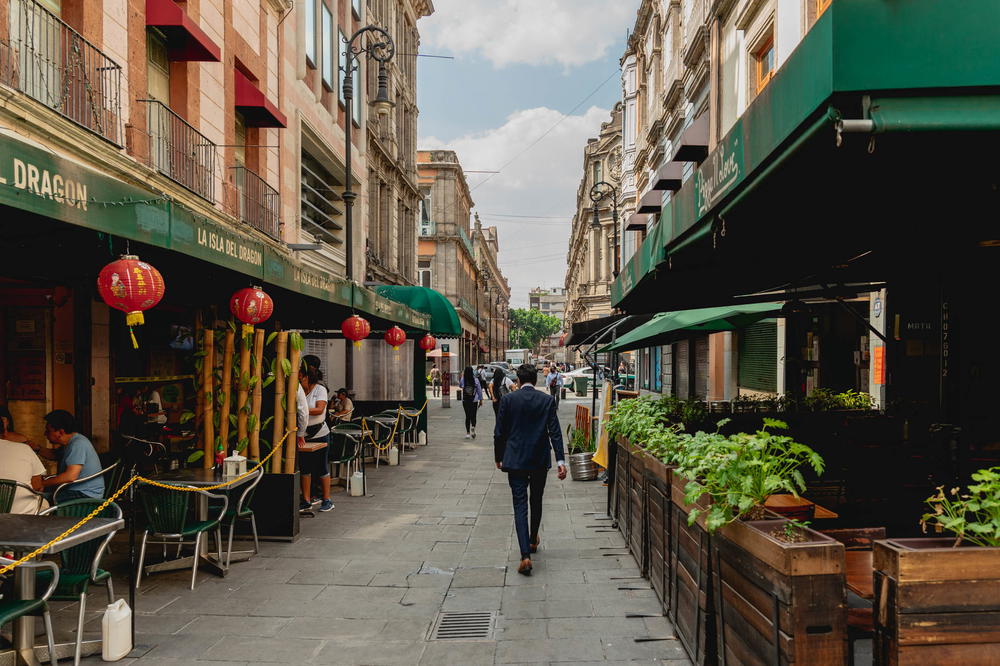
![A man walking down a narrow street in Mexico City.]()
Mexico City Packing List: What to Pack (Based on All Our Trips!)
Planning a trip to Mexico City? Here's our complete packing list with all the essential items you'll need for exploring this vibrant capital city, from historic neighborhoods to world-class museums and delicious street food.
-
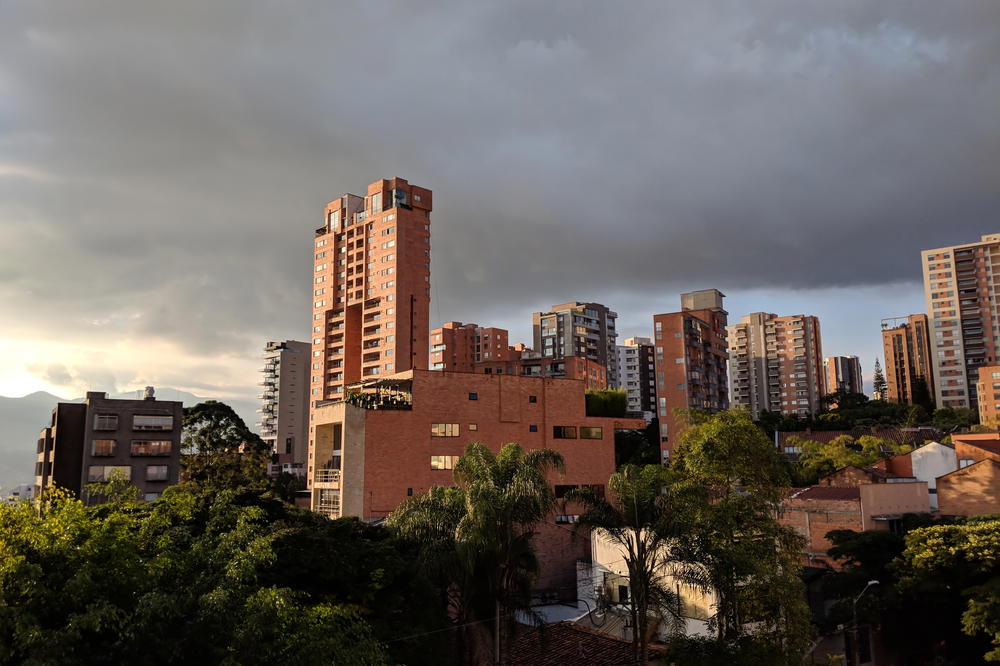
![dark clouds in the sky]()
Medellin Packing List: Worry-Free List for a Colombia Trip
Heading to Medellin? Here's our complete worry-free packing list with all the essential items you'll need for exploring this vibrant Colombian city, from comfortable walking shoes to weather-appropriate clothing.
-
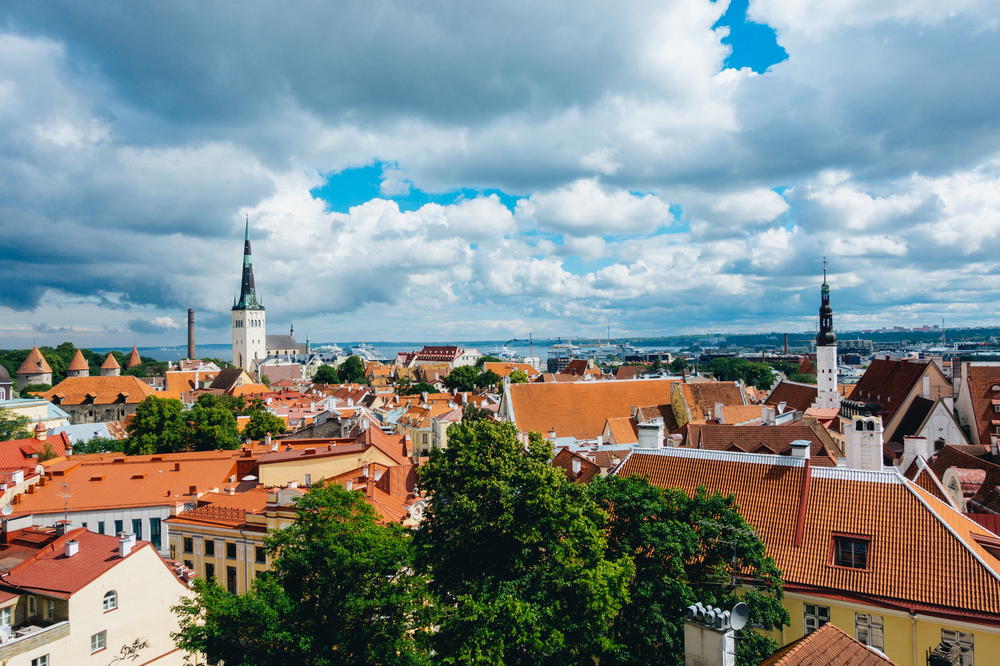
![a view of a city from the top of a building]()
Estonia Packing List: What I Brought and How to Pack
Planning a trip to Estonia? Here's our complete packing list with all the essential items I brought for exploring Tallinn and beyond, from practical clothing to travel essentials.
-
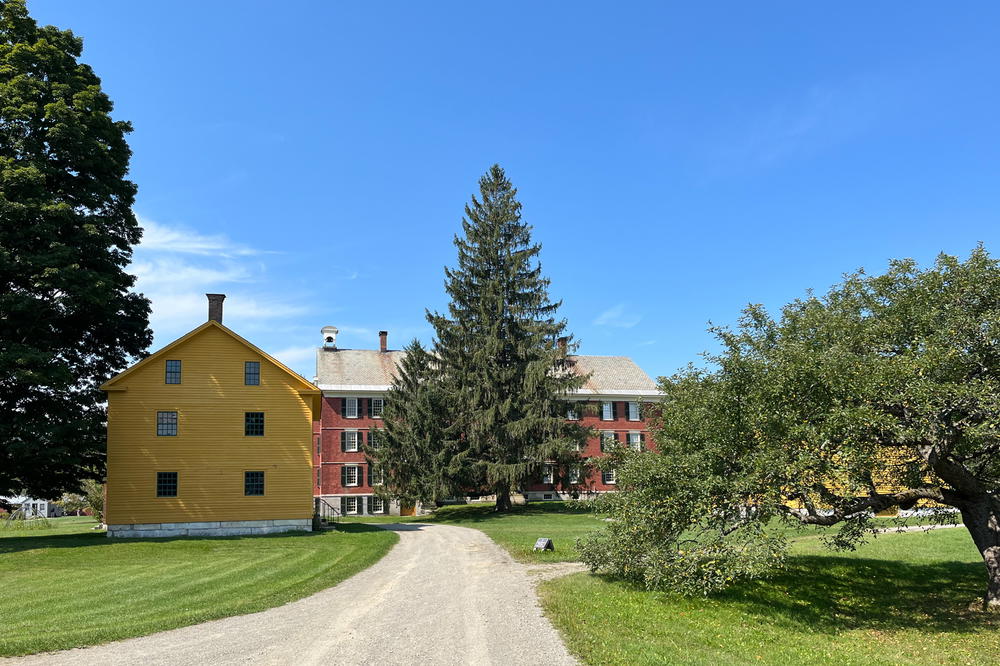
![A yellow house in Pittsfield, Massachusetts.]()
New England Packing List: What to Pack Each Season Requires (Sightseeing Trips)
Planning a trip to New England? Here's our complete packing list with all the essential items you'll need for every season, from colorful fall foliage to snowy winters and sunny summers.
-
![A statue of a man on a horse in Madrid.]()
Spain Trip: Packing List for Every Type of Iberian Itinerary
Planning a trip to Spain? Here's our complete packing list with all the essential items you'll need for every type of itinerary, from beach vacations to city breaks to hiking adventures.