Managing Sleep (18-24 Months)
Manage sleep better with this guide to toddler sleep during vacation and travel. For toddlers under 2, consider things like jet lag, naps, sleep safety and bedtime routines during trips.
Login Required
Please login with your email to access this course content. Not signed up? Get it for free here.
Login to AccessAt this age, your child hopefully knows how to sleep (if they don’t, consider it a work in progress!). If you have traveled before with your child, they may have the memory at this age to remember what it is like to sleep somewhere away from home.
If you luck out, sleep at this age may be the best yet, for your travel experiences.
Bring bedtime comforts from home
At this age range, we closely mimicked our bedtime routine from home, down to the order of operations, and the dim lights during story time.
Use the home bedtime routine
If your home bedtime routine is “bath, books, lights out,” then try to incorporate all these steps while at your hotel or Airbnb.
Bathtime
At 18-24 months, we took bathtime very seriously, both because our daughter was playing in the playgrounds in Mexico City and eating a dinner that was less-than-neat. We made bathtime fun with a travel duck tub in the Airbnb’s stall shower, and got right into pajamas and teeth-brushing afterward.
Storytime
In this phase of toddlerhood, toddlers may feel passionate about certain books! Bringing the favorite book from home can remind them that while they’re in a different place, there are still familiar parts of daily bedtime like a comforting book (for us, it’s “Where’s Spot?”).
Read your child’s favorite storybooks, with dimmed lights, to get ready for bed in the hotel room or in your child’s space at the vacation rental.
Baby monitor for sleep
If your child will sleep in another room during the trip, make sure your travel baby monitor works, beforehand. While we’ve found that there’s no perfect baby monitor, we found the Eufy monitor to suit our needs at this age.
Naps
Naps are both a relief and an event to plan around, at the 18-24 month age range. Your child is likely on just one nap, and it likely starts between 12 and 1:30 or so.
Plan daily activities around 1 nap
I think we both agree that being able to plan a day of vacation activities around 1 nap was a relief. Even with some jet lag, getting our child down back at the hotel for a 1-, 2- or even 3-hour nap in the afternoon let us relax, and even nap, to make up for the time zone change.
Like we mentioned in travel activities for 18-24 months, having the best or most exciting activity planned for before the nap will make sure it happens and may gently tire-out your child in time for nap time.
Create a nap environment at the accommodation
There are basically two scenarios for naps on vacation: setting up nap time at your accommodation, or napping on the go.
At this age, we found it much more worthwhile to “invest” in taking time to go back to our accommodation and set our child up for one long nap a day.
Tip: Mimic the nap environment from home, if you’re at your accommodation, rather than on the go. Use a sound machine, a sleep sack, a fan: whatever it is that makes the room conducive to a great nap so that your child is refreshed afterward and ready for more vacation activities.
Jet lag
Jet lag is hard, and can be really overwhelming at an age for toddlers (18-24 months) when they don’t understand how far they traveled and why the time is different. Here are some basic tips; for in-depth tips about jet lag, I recommend searching for tips that more directly apply to the length of your trip and the number of time zones you’ve crossed.
Prepare for jet lag
A common tactic for battling jet lag, when it’s not more than 3+ hours of time changing, is to get your child ready beforehand by adjusting the sleep schedule each night before you leave. We’ve tried this, and we’re not sure it works for our child, but it could very well be the ticket that gets your child on the new time zone’s schedule before you even leave home. Use our jet lag optimizer tool to create a personalized adjustment schedule.
Don’t delay combating jet lag
Tackle jet lag in the beginning of any trips outside your time zone. This means stretching naps til a later hour, waking your child early for the day or doing a later bedtime and creating engaging activities to create stimulation and avoid tiredness.
You may be surprised…
You may be surprised: it sometimes only takes 1-2 days to combat jet lag in toddlers this age. I think we give toddlers less credit than they deserve: while some of them may never un-jet-lag themselves during the course of a short trip, the majority of toddlers actually do overcome jetlag within 2 days.
The first day is certainly the hardest (in Mexico I was preparing for a 5am wakeup, but, it never happened!), but the second day and then the third day should be easier if you “get on the new time” with naps and bedtime adjusted.
Use daylight/night darkness to your advantage
If it is still light out and time to stay awake, let your child stay up. On the contrary, if you’ve moved to a time zone where bedtime will be “earlier,” describe to your child that night has fallen, that it is time for the bedtime routine and that it’s time to sleep. Again, you may be surprised at your child’s understanding of the cues!
If the first day doesn’t go great, keep your head up: there is a shot at it on day 2.
Plan out a jet lag plan
Here’s where we had done some research that put us slightly more at ease. Because of a time zone change in going from NYC to Mexico City, we assumed our daughter would be on “NYC” time on the first day, and would wake up at 5am (7am our home time) on the second. You can use our jet lag optimizer to help plan your family’s sleep schedule adjustments before you travel.
She “slept in” until 6, and we were able to drag out the time in the crib until 6:30. This felt like a big success, and we considered it one! That’s the first step to staying positive.
Second, we had planned out coffee shops to visit if indeed we all woke up at 5 am and were ready to get out the door at 6 for some action. Mexico City’s coffee shops typically open at 8, as is standard there, but some open at 7. I made a list of all the ones within walking distance that opened early at 7am, so that if we needed places to go, we’d know what was open and could have a little adventure.
If you’ve traveled “back in time” with time zones and if early mornings sound overwhelming, I suggest doing something similar, like having a “fun morning plan” for the child and at least one parent. If you’re traveling “forward in time,” like from the US to Europe, then congrats: late bedtimes and late wake-ups make for a unique type of trip, but at least you won’t be up at dawn!
Sleep safety
In short, managing safe sleep for 18-24 month olds will vary greatly by child, especially when in vacation environments outside the comfort zone they are used to.
You can see more at safety for 18-24 months, but I want to share three quick top tips here:
- Place the baby monitor camera somewhere FAR from where your toddler can reach it, or the camera wire.
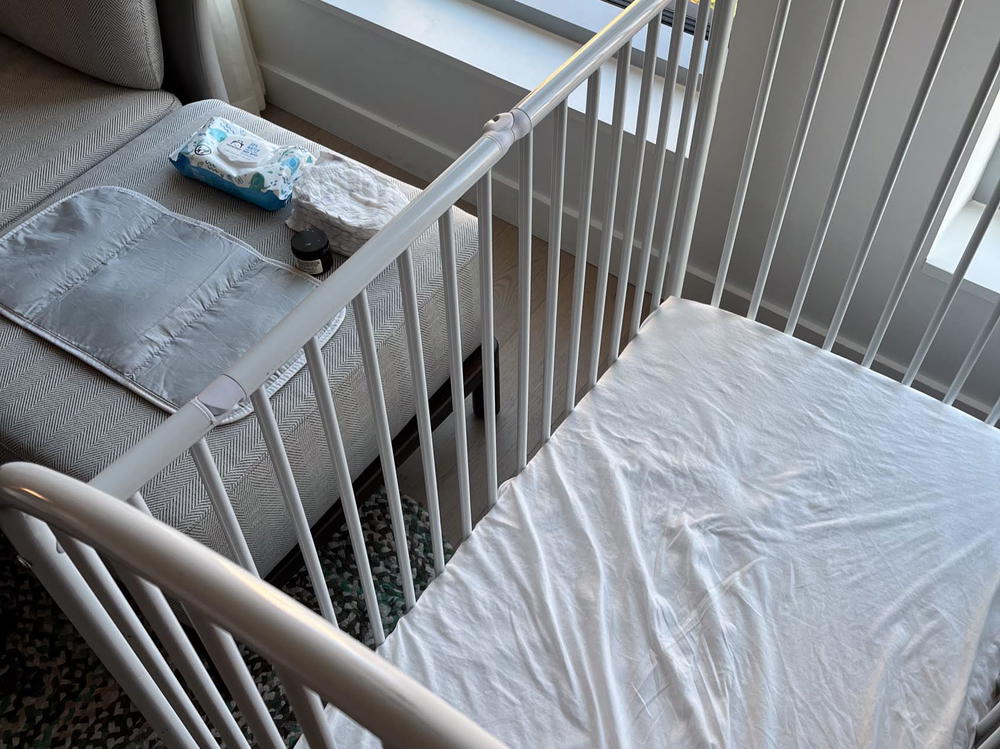
- Making sure there is a safe crib or environment for toddlers who are capable of climbing.
- Bring a sleep sack (even a very lightweight one!) to deter climbing out of the hotel crib or travel crib! While we personally never experienced this issue, it’s more common with toddlers who already enjoy the challenge of climbing and may see the vacation crib as a new place to practice their strength.
Search
Getting started
Planning your trip
- Are you ready to take a trip?
- Types of trips to take
- How to find interesting trips in your area
- What to pack: and how long to pack in advance!
- When to take a trip with your baby
Health advice
- Quick disclaimer
- Travel insurance
- How to handle your infant getting sick while traveling
- Planning for all potential health issues
International Travel
- What you “really” need to bring
- How is international travel different from domestic with a baby?
- Language barriers during traveling internationally with a baby
- “Baby-friendliness” of different places (how to choose a destination)
- Jet lag
- Passports and visas
- Why choose international travel?
Quick tips
- Accommodation
- Packing
- Smart things to bring
- Food, food safety and traveling with milk
- What to keep in mind (mantras)
- Before, during and after the flight
Bonus content
- How to find affordable flights
- How to plan grocery trips and meals during travel
- How to plan travel around your infant’s naps
- How to decide between buying your infant a seat vs. lap infant
- How to change a diaper on a plane
Free bonus product reviews
- UPPAbaby Minu Travel Stroller + Travel Bag
- The No Reception Club Diaper Bag Backpack
- Yogasleep Travel Sound Machine
- Slumberpod Travel Sound Machine
- BabyBjorn Travel Crib
- Guava Travel Crib
- Baby Tula Travel Baby Carrier Lite
- Munchkin Inflatable Travel Baby Bathtub
Age 0-3 Month Travel Advice
- When Is It Safe to Travel?
- Packing Essentials
- Choosing Your Destination
- Transportation Tips
- Managing Sleep
- Safety
- Are You Ready to Travel With a 0-3 Month Old?